
DAVID ROBBINS
Talent (1986/2026)
OCTOBER 23 - DECEMBER 5, 2026
in collaboration with The Green Gallery (Milwaukee)
and MISAKO & ROSEN (Tokyo)
On the website of reputable headshot photographer James J. Kriegsmann Jr., testimonials from clients speak to the quality of his work. Some praise his talent: “James Kriegsmann is truly amazing! He is so talented and experienced, and it shows tremendously through his photographs. I am a very shy person, but I was so comfortable during our shoot, and his direction made it seem effortless.” Others attest that “he is truly an artist and a craftsman.” In the mid-1960s, Kriegsmann Jr. began working alongside his father—himself a renowned New York-based celebrity and theatrical photographer who notably captured a defining portrait of young Frank Sinatra. He eventually took over his father’s Times Square studio on West 46th Street and earned recognition as one of the city’s three TOP photographers, as voted by Backstage magazine.
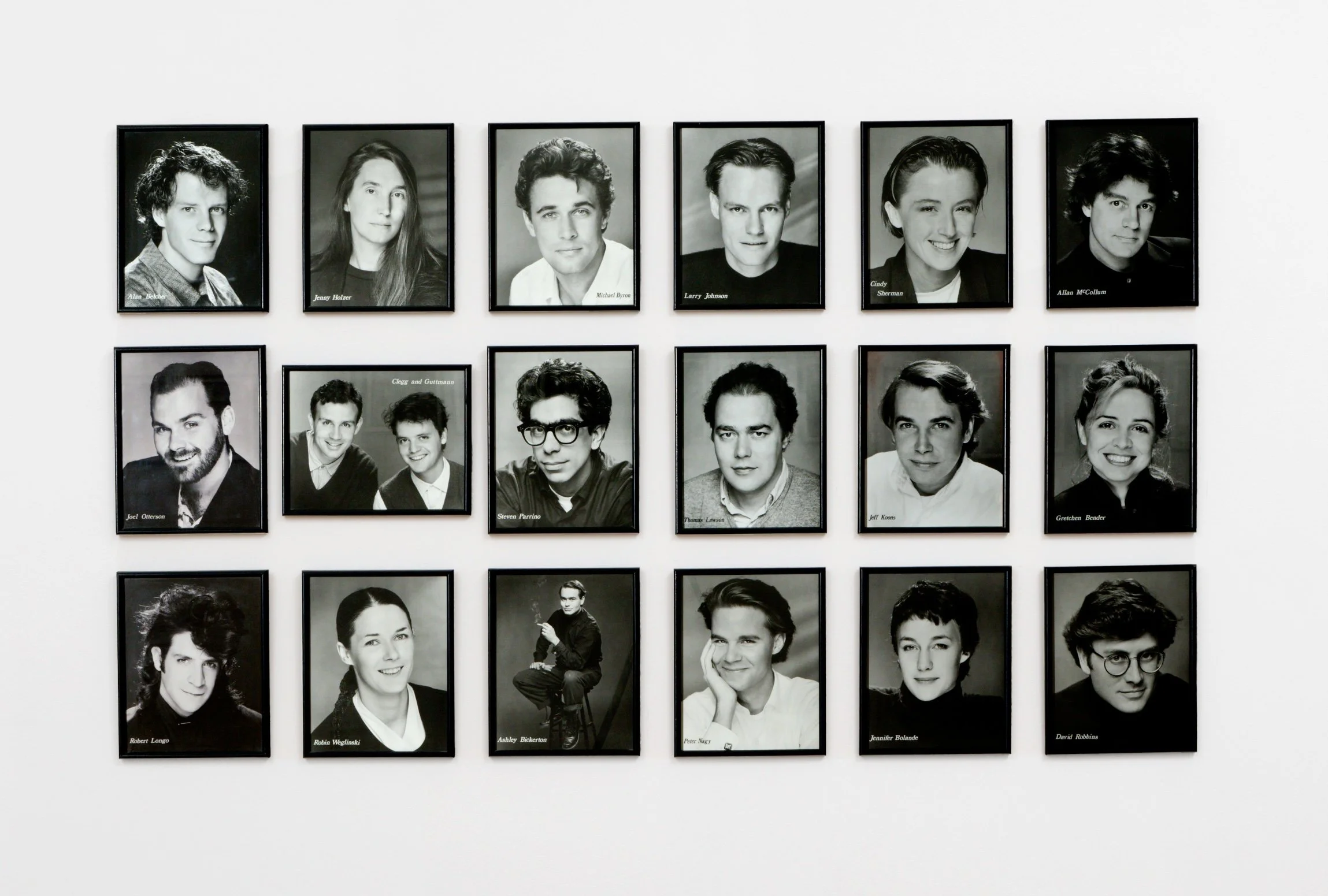
David Robbins’ Talent was created in 1986. Over the course of several months, Robbins organized portrait sessions at Kriegsmann’s studio for many of his artist friends—among them Cindy Sherman, Jeff Koons, Jenny Holzer, Steven Parrino, Jennifer Bolande, Allan McCollum, and Peter Nagy. Nagy, who cofounded the legendary East Village gallery Nature Morte (1982–1988), sadly passed away just days before the opening of the present exhibition. Robbins had his first solo exhibition at Nature Morte, a venue that, along with other downtown galleries, helped shape a generation of artists who critically engaged with mass media and entertainment while resisting the market-driven pull of Neo-Expressionism.
Acting as an agent of sorts, Robbins, who also sat for a portrait, coordinated and paid for the sessions. From the photographer’s contact sheets—exhibited here for the first time—Robbins selected the eighteen black-and-white photographs that make up Talent. Echoing the structure of conceptual works like Douglas Huebler’s Variable Piece #101 (1972), in which Huebler asked fellow artist Bernd Becher to pose as ten archetypes, Robbins’ piece exemplifies the 1980s’ “Pop-inflected” (1) strand of Conceptualism. Arranged in a grid resembling a wall of fame, the headshots adhere to the entertainment industry’s standards, including its 8 × 10-inch format. The headshot imposes a system of representation borrowed from outside the art world. Robbins’ work amusingly mobilizes this system to oppose the romantic image of the artist and present them as willing participants. Printed in an edition of 100, Talent achieved iconic status and, much like the work of some of the rising stars it portrays, went on to populate prestigious museum collections worldwide.
Looking at the contact sheets forty years after the photoshoots offers a rare behind-the-scenes experience—a chance to discover the quirky props used by the photographer in the studio, props that were edited out of the final selection. The contact sheets are also a chance to witness talent in action: after all, backstage access has become the norm today. Artists are expected not only to promote themselves and show their faces whenever granted an ounce of institutional support, but also to open the doors of their studios and apartments for short videos, giving viewers a glimpse of where talent comes from… As AI further unsettles notions of talent and authorship, postmodernism’s challenges to the centrality of the artist are worth considering anew. Indeed, in our current visibility economy, we’d be hard-pressed to imagine a young artist sending in a headshot of Meryl Streep overlaid with the statement “RECOGNITION MAYBE, MAY NOT BE USEFUL,” as Louise Lawler famously did in 1990, when asked to provide a portrait for the cover of Artscribe magazine.
On the website of the Metropolitan Museum of Art, the entry for Robbins’ Talent begins with a cheeky rhetorical question: “Has Jeff Koons ever looked so earnest?” Similarly, we might ask if Cindy Sherman has ever looked more like herself. These questions attest to Robbins’ own talent: his comedic approach to social anthropology and his ability to fold irony onto itself until it paradoxically reaches a radical form of earnestness.
-Emile Rubino
——————————————————————
1. Blake Oetting, “Once More, With Feeling,” Ehrlich Steinberg, 2026
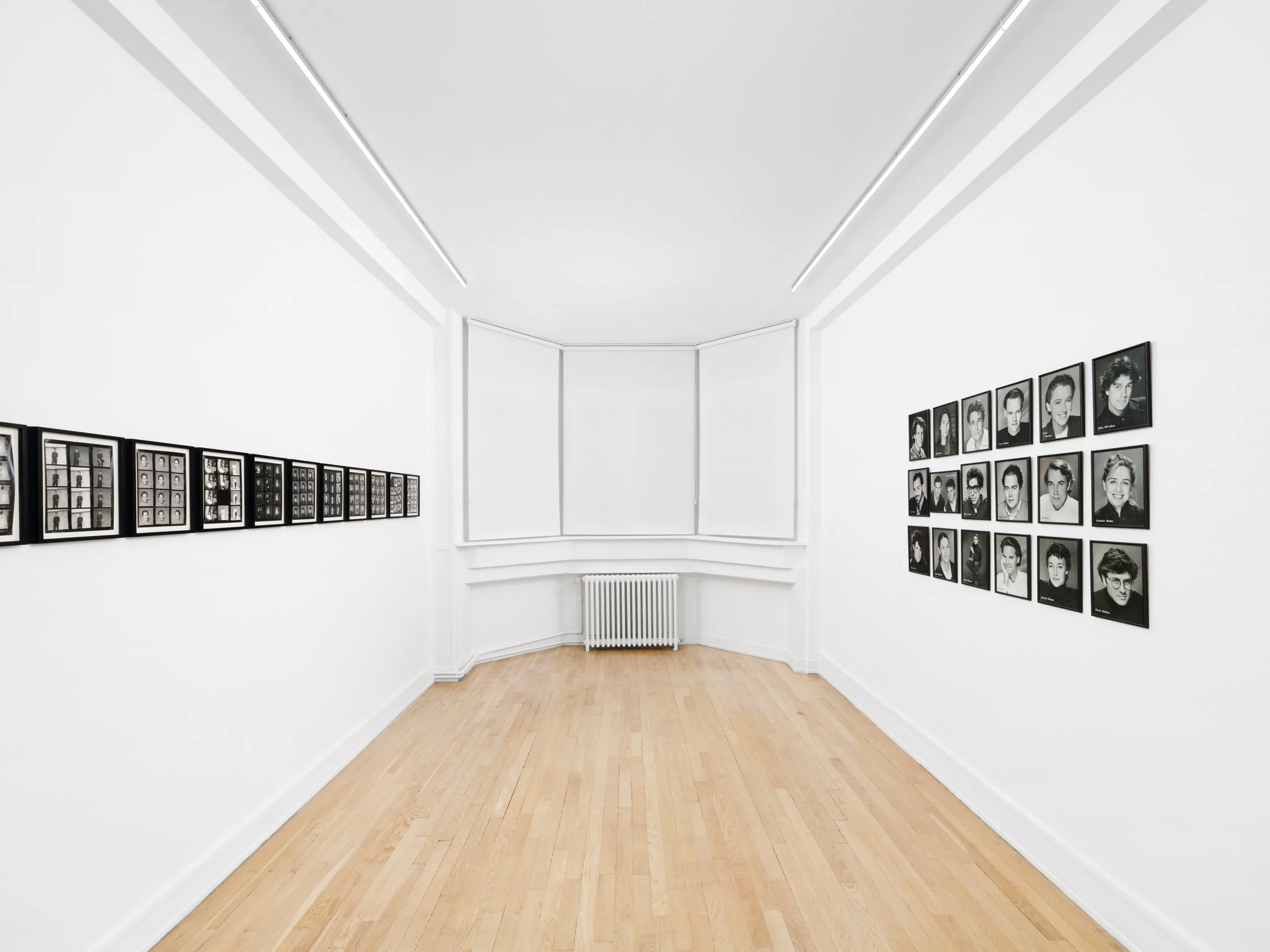
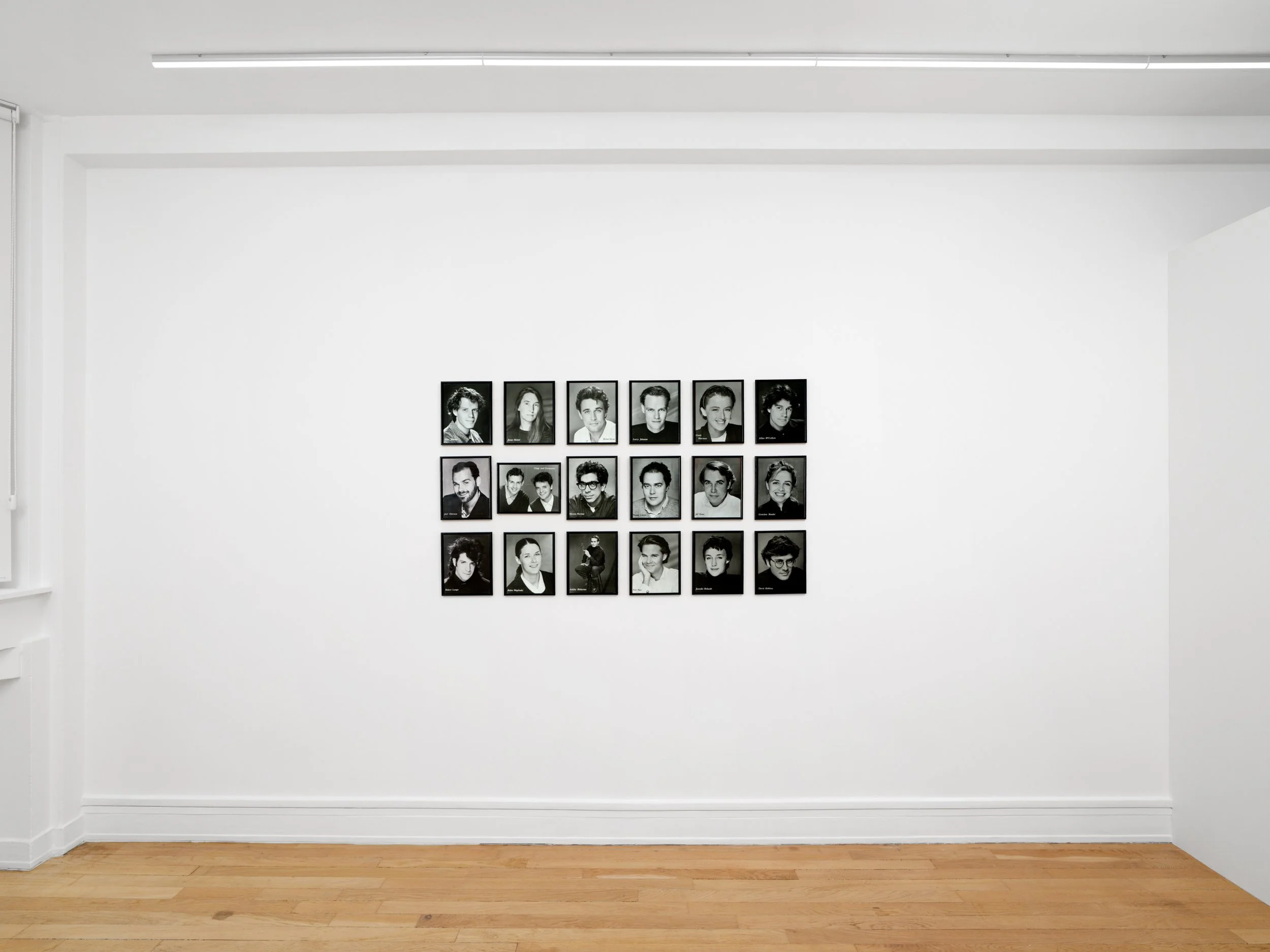
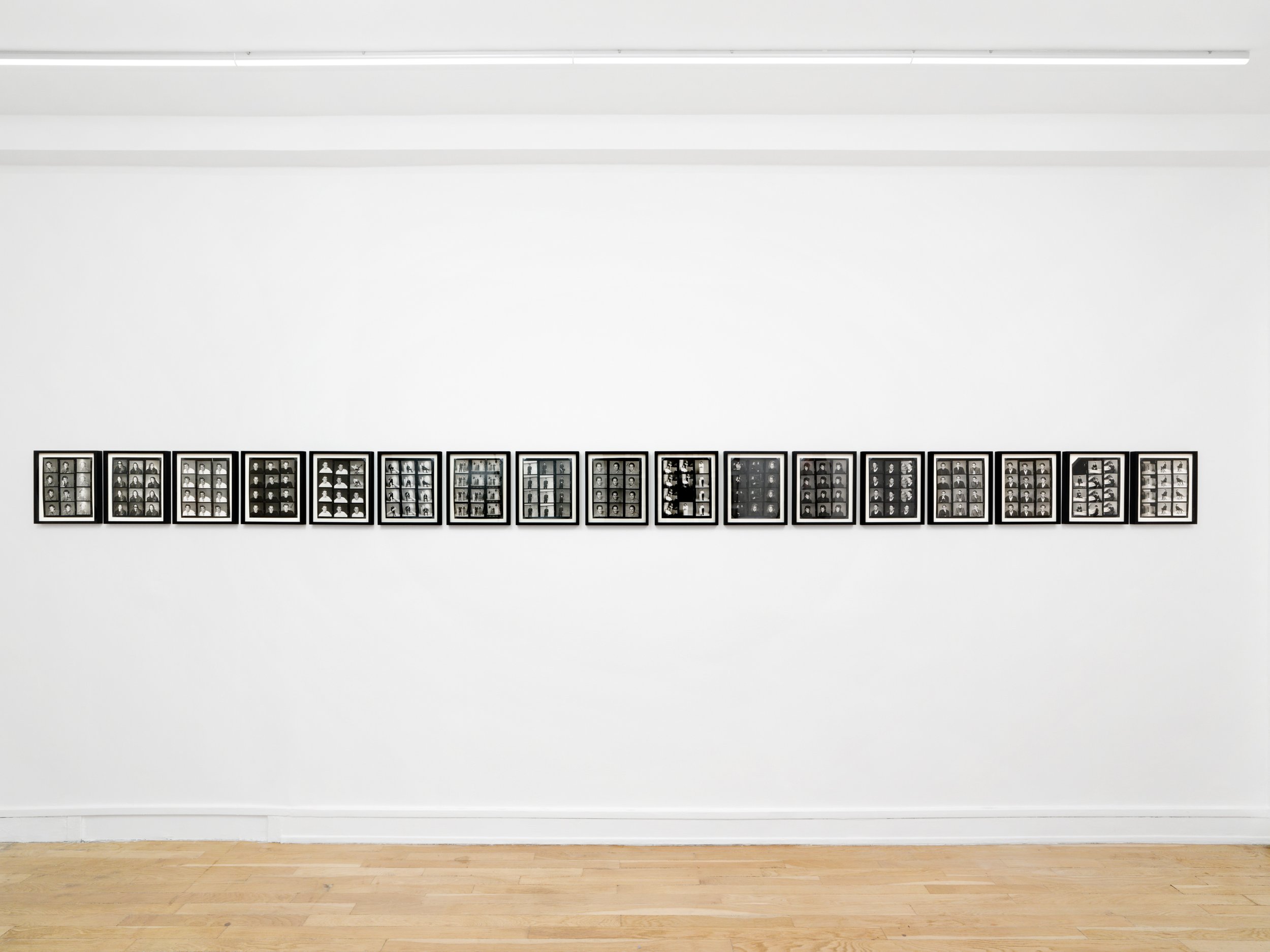
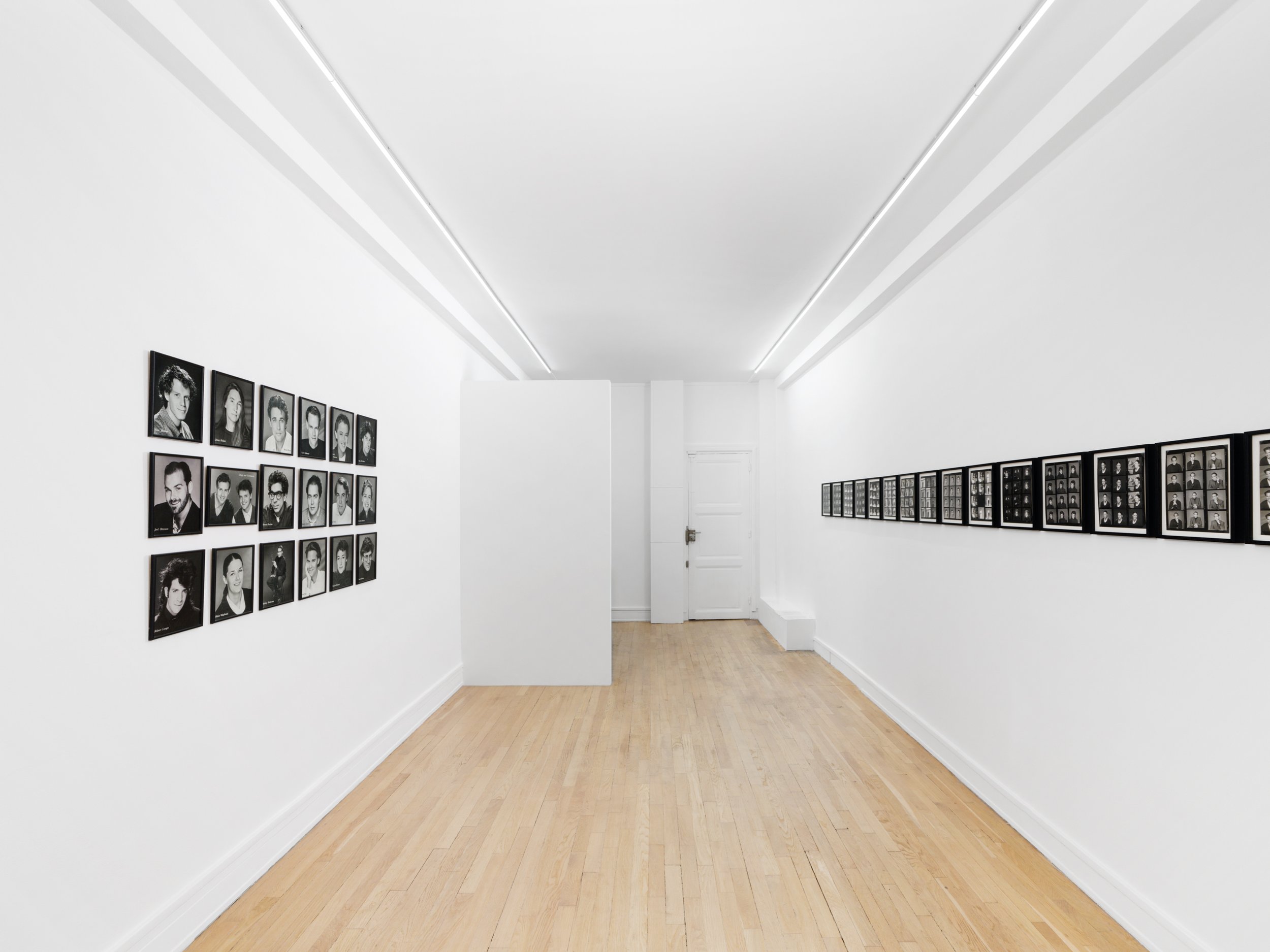
Images: Exhibition views, David Robbins, Talent (1986/2026), ISABELLA RITTER, Paris, 2026. Photocredits: Aurélien Mole
8 RUE SAINT-MARC, 75002 PARIS
Wednesday-Friday, 1-6 pm
Saturday, 1-6 pm (by appointment)
and by appointment
(In solidarity with the ongoing social movement and demonstrations in France, the gallery will remain closed this Saturday, October 31.)